By: Rev. Jeric Yurkanin
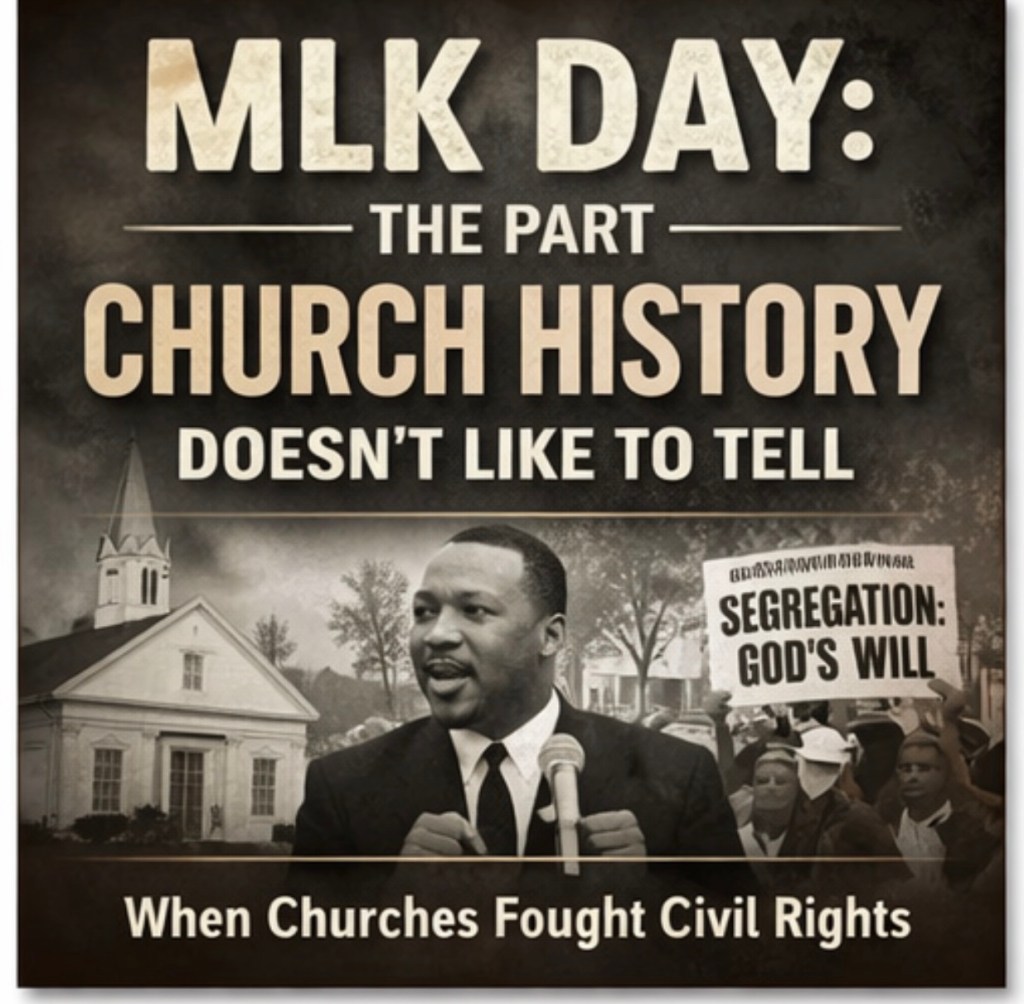
Today is Martin Luther King Jr. Day. Dr. King fought against segregation—the laws and customs that forced Black and white people to live, learn, and worship separately. He led marches, faced threats, and kept going anyway. That took real courage. Most Christians today will say Dr. King was a hero—and he was. But there’s an uncomfortable part of the story that often gets skipped: a large number of churches and pastors in the South were on the wrong side of history, and they didn’t stay quiet about it.
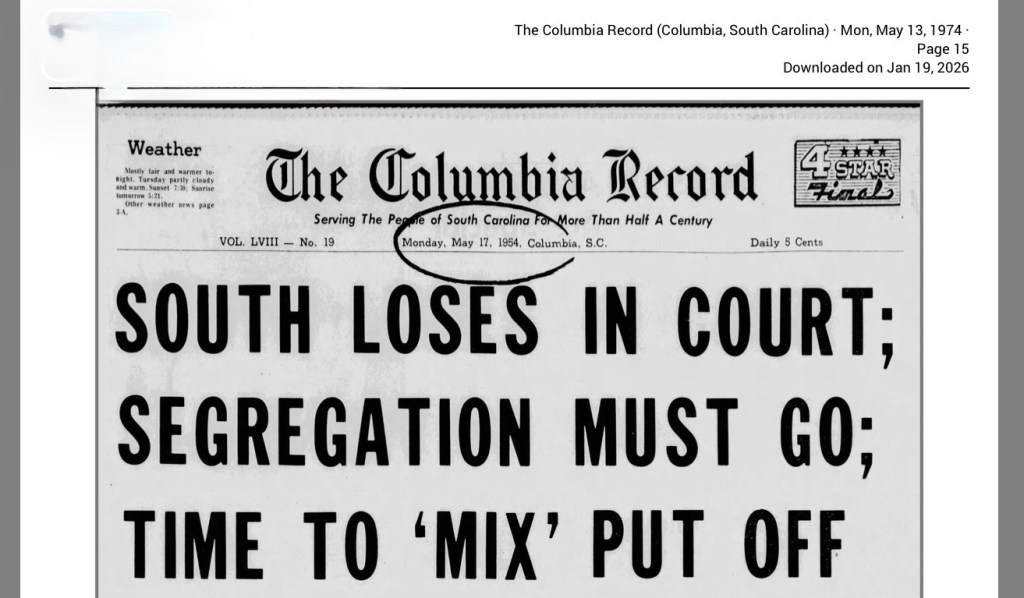
To understand why, you have to picture what the South felt like in the 1950s and 1960s. Segregation wasn’t just a “bad opinion.” It was built into daily life—into laws, schools, restaurants, neighborhoods, job opportunities, and even church culture. People grew up with it as “normal,” which meant when the Supreme Court ruled on May 17, 1954 in Brown v. Board of Education that segregation in public schools was unconstitutional, the country didn’t suddenly come together. For many white communities, it felt like the government was threatening their entire way of life. And whenever people feel threatened, they look for someone to tell them what the threat means—and how to respond.
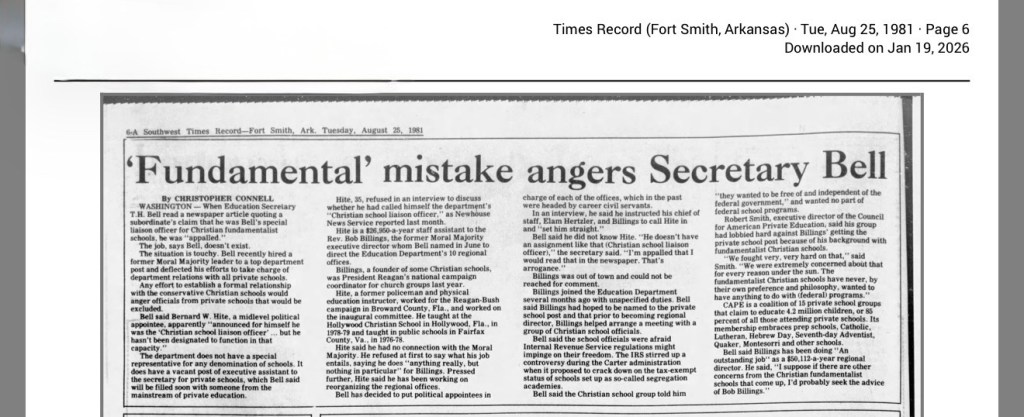
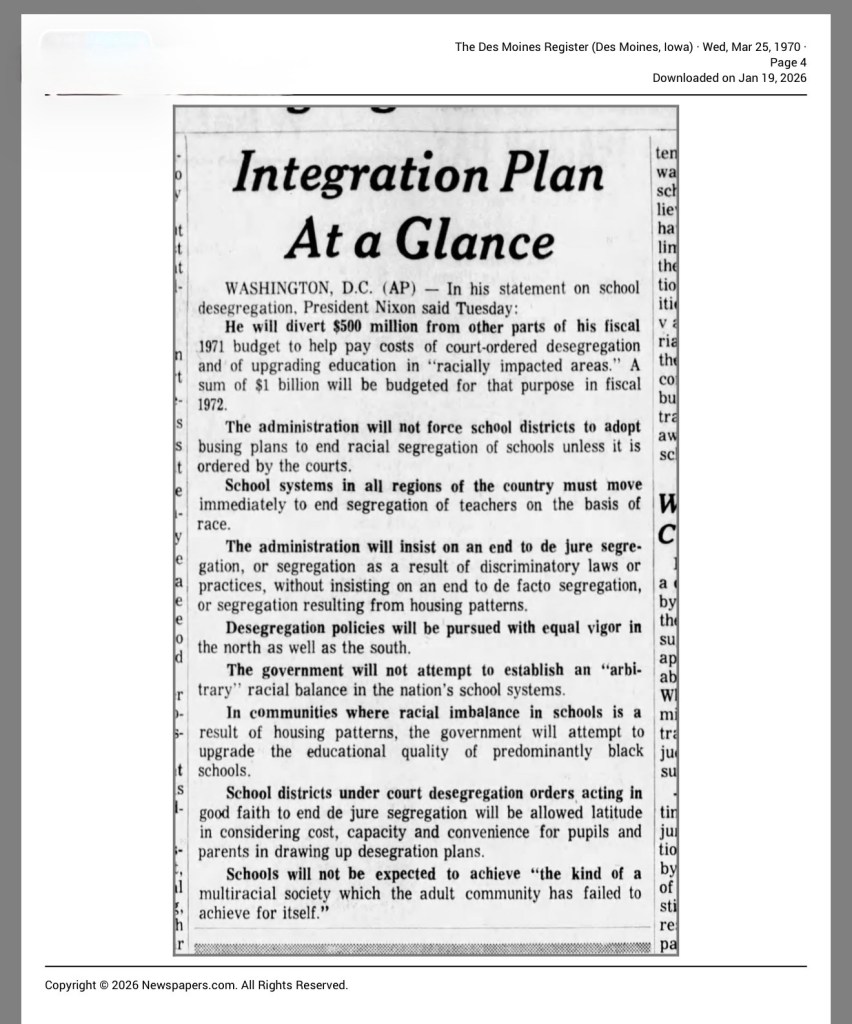
That fear created an opening for certain pastors to step in and interpret the moment for their people. Instead of saying, “We have to face the truth and change,” some ministers wrapped resistance in Bible language so it sounded holy. Some didn’t just disagree politely; they preached sermons and printed pamphlets arguing that segregation was “biblical” and that integration was rebellion against God. One of the most famous examples is Rev. Carey Daniel, pastor of First Baptist Church of West Dallas, who delivered a sermon just days after Brown and later turned it into a pamphlet titled “God the Original Segregationist.” The message was basically: God created separation, so we should defend it. Once you understand that kind of framing, you realize this wasn’t only politics anymore—it became “God vs. the enemy” in people’s minds.
In Dallas, another powerful voice was W. A. Criswell of First Baptist Dallas. In 1956 he spoke publicly in a way that presented “forced” integration as a threat to Southern life and faith. He used harsh language about integration supporters. Later in life he expressed regret and changed his views, but in that moment his influence helped reinforce the idea that resisting integration could be framed as faithful Christianity. In Virginia, a young Jerry Falwell preached a 1958 sermon titled “Segregation or Integration, Which?” arguing against integration, and a scan of that sermon has been preserved in an archive. In South Carolina, Bob Jones Sr., founder of Bob Jones University, delivered a radio address on Easter Sunday in 1960 called “Is Segregation Scriptural?” defending segregation as God-ordained. These weren’t tiny voices on the fringe. These were loud, confident religious leaders shaping how everyday church people thought.
And it wasn’t just “a few bad apples.” It was a climate. Many white Christians were taught—straight from pulpits—that the civil rights movement wasn’t simply a push for justice, but a dangerous attack on “God’s order.” And a big reason that message spread so easily is because of the Cold War. In the 1950s and 1960s, “communism” was the biggest fear in America. So if you could label civil rights leaders as “communist,” “outside agitators,” or part of a sinister plot, you could make ordinary church people feel like they were protecting their families and defending their faith—not defending injustice.
That’s why you see so many ministers and religious activists tying civil rights to communist conspiracies. Billy James Hargis, a nationally syndicated radio and TV preacher with huge reach, pushed a segregationist message and repeatedly attacked Dr. King. He spread claims that the civil rights movement was communist-influenced and even “Satanic,” and he portrayed King as connected to communism. That kind of language gave religious cover to segregationist politics. It didn’t sound like hate; it sounded like “spiritual warfare.” Another fundamentalist leader with national reach was Carl McIntire, who used anti-communist rhetoric and helped feed “massive resistance” networks with material that framed civil rights as communist-driven. Even Falwell, before he became a major political figure, preached a famous 1965 sermon often referred to as “Ministers and Marchers,” arguing that ministers should stay out of civil rights protests and just preach the gospel. That wasn’t a small detail—it was part of the larger message many churches heard: don’t challenge the system, don’t march, don’t disrupt, stay quiet.
And here’s the part people forget: when religious leaders say something is “biblical,” it doesn’t just influence opinions—it shapes conscience. It trains people to feel righteous while doing harm. It can turn a social system into a spiritual test. It can teach people that changing is disobedience, and staying the same is faith. That’s why Dr. King wasn’t just fighting politicians and laws. He was fighting an entire moral system that made injustice feel normal—and even holy.
To be clear, not every Christian supported segregation, and not every church was silent. Many Black churches were the backbone of the civil rights movement, and many white Christians did join the struggle. But it is still true that a large part of white Southern church culture defended segregation or refused to confront it, and some leaders openly attacked Dr. King while claiming they were defending God. That history matters—not so we can point fingers at people who are gone—but because it shows what can happen when religion becomes more loyal to comfort, tradition, and power than to truth, compassion, and justice.
Even inside Black church leadership, there were major disagreements about strategy. Joseph H. Jackson, president of the National Baptist Convention, clashed with King and opposed civil disobedience, believing King’s approach was too disruptive. That doesn’t make Jackson the same as white segregationist preachers—but it shows how complicated the era was and how intense the debates were even among people who wanted racial progress. Still, one fact remains: King was marching against real injustice, and many white churches chose comfort, tradition, and social order over justice.
When you zoom out, you can see a repeated move that keeps showing up in American religious history. First, leaders claim they are “just preaching the Bible.” Then they use the Bible to protect a system that benefits them. Then when culture changes and they can’t defend the old system as easily anymore, the target often shifts. That’s why, when people say, “Why bring this up on MLK Day?” the answer is simple: MLK Day isn’t just about remembering a great man. It’s about remembering what he was up against—and making sure we don’t repeat it. If churches could be that wrong about something as clear as segregation, then churches today should have the humility to ask, “Where might we be wrong now?”
This is where a lot of people feel frustrated today. Many Christians know the heroic version of the story—King the hero, racists the villains, America learns a lesson—but they don’t know the church’s role in defending segregation, the sermons that were preached, the pamphlets that were distributed, and the way “biblical” language was used to fight equality. And because people don’t know that history, it becomes easy for modern churches to avoid uncomfortable questions. It becomes easy to act like “the church” has always stood for justice, when the truth is more mixed. It becomes easy to say, “We would have stood with King,” when the reality is that many pastors in that era preached against King’s marches and framed civil rights activism as dangerous, radical, and un-Christian.
That’s why telling the truth matters. It doesn’t mean every Christian today is guilty of what pastors did in the 1950s. It means we should be honest about how faith can be used. Faith can inspire courage, sacrifice, and love. But faith can also be used to defend fear, control, and prejudice—especially when it’s tied to politics and culture-war identity. And when it comes to how the church treats different groups today—especially the LGBTQIA community—many people see a painful echo of the past. Not every church is the same, and not every pastor focuses on the same issues, but it’s not hard to find churches that draw a hard line on same-sex relationships while showing far less urgency about greed, dishonesty, racism, abuse of power, or cruelty. When someone says, “My pastor told me they won’t marry a same-sex couple,” that’s not a rare story—it’s common in many regions and denominations. And for many people, it feels like the same old pattern: pick one group, pick one hot-button issue, treat it like the biggest moral crisis, and ignore other harms that Jesus talked about constantly—hypocrisy, exploiting the poor, loving power, and refusing mercy.
Dr. King talked about the difference between “negative peace” and “positive peace.” Negative peace is the absence of tension—everything calm, everything quiet. Positive peace is the presence of justice—even if it causes discomfort to get there. That’s why sermons like “Ministers and Marchers” are so revealing. They sound like order and spirituality, but in context they protected negative peace—quiet streets, quiet churches—while injustice kept rolling. That’s the danger of “stay quiet” religion: it often sounds gentle, but it keeps the powerful comfortable and tells the oppressed to wait.
So honoring Dr. King today can’t just be quoting “I Have a Dream” and moving on. It’s being brave enough to say: yes, King was a hero. Yes, he was a Christian pastor. And yes, many Christians attacked him, resisted his message, and used Scripture to defend segregation. It’s being honest that the church has a history of blessing what the culture wants, then calling it God’s will. And it’s choosing a better way forward—where faith is judged by its fruit: humility, truth, justice, compassion, and real love for neighbors, not by who it keeps out, who it shames, or who it decides is the enemy this decade.
If we really want to honor Dr. King, we don’t just repeat his words—we practice his courage. We tell the truth, even when it’s embarrassing. We face the parts of church history that were ugly. We stop pretending the church has always been the hero. We stop turning faith into a weapon. And we choose what King chose: justice over comfort, truth over tradition, and love over fear.
 Agape Freedom Community
Leave a comment